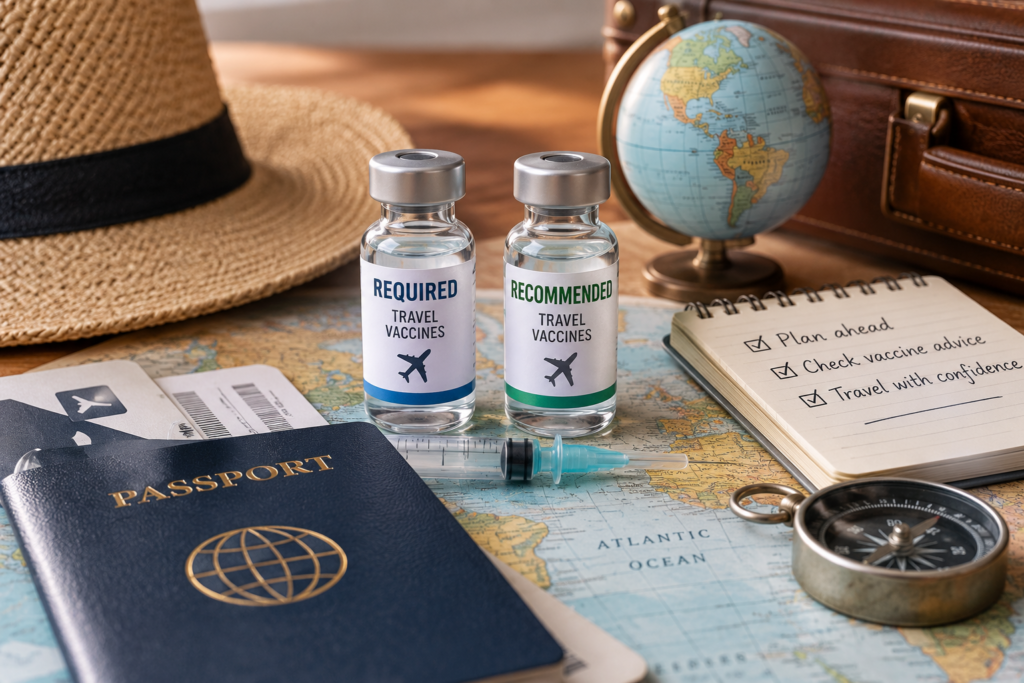

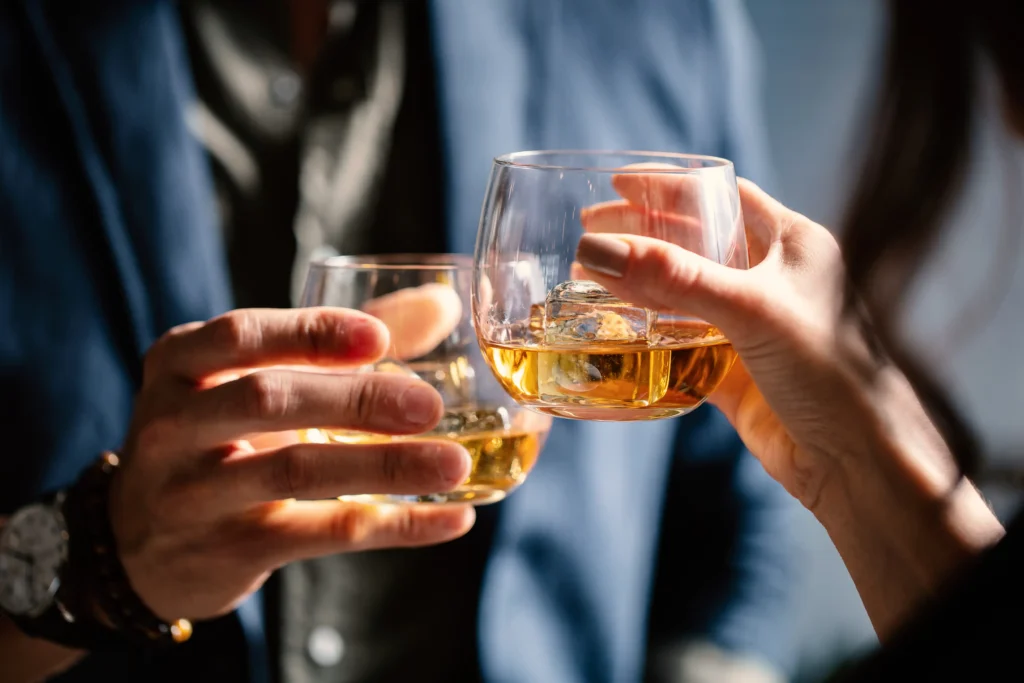
Yes, in most cases. A drink or two will not stop your jabs from working.
Heavy drinking is different. It can slow your immune response and make side effects like headache, tiredness and sickness harder to read.
Waiting 24 to 48 hours is a sensible rule. For advice tailored to your trip, contact our travel clinic. The main issue, though, often relates to the tablets provided at the clinic rather than the jab itself. Here is what you need to know.
Does Alcohol Affect How Well Travel Vaccines Work?
For most people, a casual drink will not undo a vaccine. There is no good evidence that light or moderate drinking stops travel jabs from working.
Heavy drinking is another story. Large amounts of alcohol slow down your immune system. That is exactly the part of you that needs to be busy after a jab.
Over the next few days, your body is building antibodies. A big night out during that window gives it extra work it simply does not need.
Alcohol and Vaccine Side Effects: A Recipe for a Bad Time?
Here is the practical problem. Common vaccine side effects include headache, tiredness, aching muscles and feeling sick.
Sound familiar? That is also a hangover.
If you wake up feeling unwell, it can be tricky to tell if it is from the jab or the alcohol. That can make it harder to spot a reaction that needs attention. You can also report any suspected side effects to the MHRA Yellow Card scheme via yellowcard.mhra.gov.uk or the Yellow Card app.
Alcohol also dehydrates you, which can make a sore arm and headache feel worse.
When to seek urgent medical help:
- Call 999 or go to A&E right away if you have trouble breathing, your face, lips, tongue, or throat swell, you get a sudden rash all over, or you feel dizzy and faint.
- Contact the clinic or GP right away if you have a high fever, a rash that isn’t spreading quickly, or if your symptoms worsen or don’t improve after a few days.
Specific Travel Vaccines: Are Any Strictly Off-Limits?
Good news: no injected travel vaccine comes with a strict alcohol ban. Moderation is still the safest bet, and a few vaccines deserve a closer look.
Hepatitis A and Hepatitis B
Both vaccines protect your liver, the same organ that clears alcohol. A drink after your jab is fine, but heavy drinking does your liver no favours.
Long-term heavy drinking can also weaken your response to the hepatitis B vaccine. If this applies to you, your clinician may suggest a blood test later to check whether you are protected.
Yellow Fever and Other Live Vaccines
Yellow fever is a live vaccine, but alcohol does not react with it. The main issue is timing.
Side effects like fever, headache and aches can appear several days after the jab, often up to 10 days later. A heavy night in that window can blur the picture.
Rare but serious reactions to this vaccine can happen. These include YEL-AND, which is yellow fever vaccine-associated neurological disease, and YEL-AVD, the yellow fever vaccine-associated viscerotropic disease. Both start with flu-like symptoms. That is another key reason to keep a clear head for the first week or two after vaccination.
Typhoid, Rabies and Tetanus
The typhoid injection, rabies and tetanus vaccines are all inactivated. A moderate drink afterwards will not affect them.
The oral typhoid capsules (Vivotif) are different. They contain live bacteria, so swallow each capsule with a cold or lukewarm drink, never a hot drink or alcohol. Make sure to finish the oral typhoid course at least 3 days before starting antimalarials like doxycycline or mefloquine.
Also, leave at least 3 days before and after taking antibiotics. For long-acting antibiotics like azithromycin, wait even longer. This helps keep the live vaccine effective.
Do Not Forget About Antimalarial Tablets and Standby Antibiotics
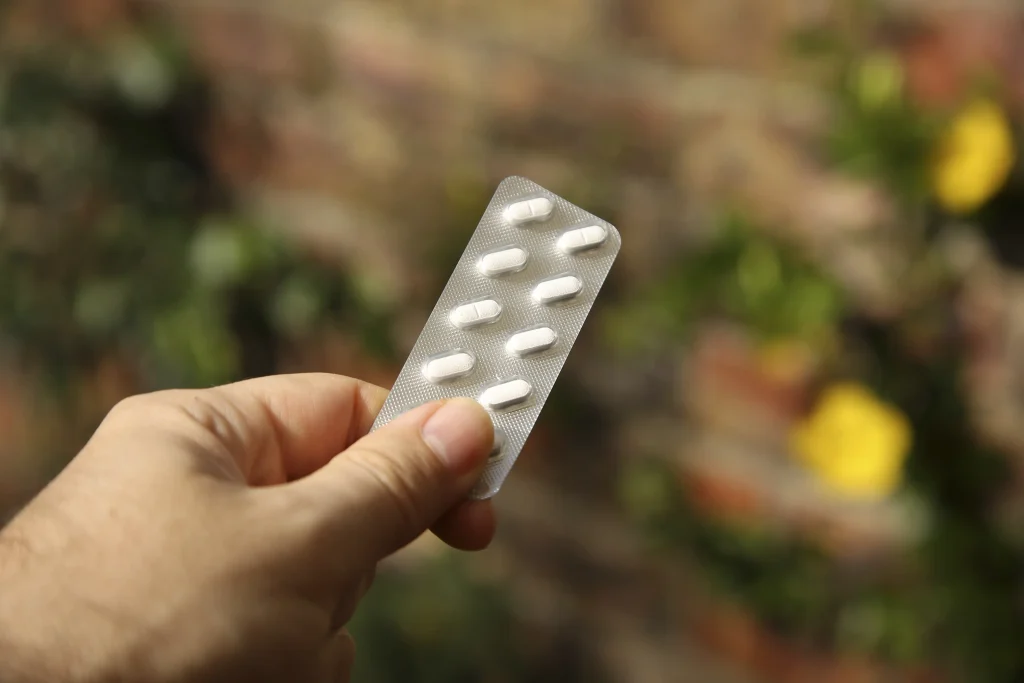
This is the part many travellers miss. The vaccine may not mind alcohol, but the tablets you pick up for your trip often do.
Mefloquine: alcohol can worsen side effects such as dizziness, anxiety, and low mood. Mefloquine is strictly contraindicated and cannot be supplied if you have a history of depression, generalised anxiety disorder, psychosis, other mental health conditions, or seizures/epilepsy.
Doxycycline: regular heavy drinking may lower how well it works. Take it with plenty of water and stay upright after each dose.
Atovaquone-proguanil: there is no direct clash, but being sick after a heavy night could stop your dose from being absorbed.
Azithromycin (Standby Antibiotic): supplied under PGD for severe travellers’ diarrhoea. Alcohol doesn’t react directly with medications, but it can upset your stomach. If you vomit after drinking heavily, your dose might not be absorbed well.
Metronidazole (Secondary Note): Avoid alcohol completely if prescribed this overseas for stomach bugs. Mixing it with alcohol triggers a severe disulfiram-like reaction, causing flushing, vomiting, and a rapid heartbeat. The NHS recommends avoiding alcohol throughout treatment and for 48 hours after your final dose.
Taking antibiotics alongside oral typhoid capsules can stop the vaccine from working. Inform the clinic of any medications you are taking before your appointment.
How Long Should You Wait to Drink After a Vaccination?
A simple rule is to hold off for 24 to 48 hours after your jabs. This lets your body rest and gives any side effects time to show.
- Day of your jab: stick to water and take it easy.
- Next 1 to 2 days: watch for side effects. If you feel fine, moderate drinking is usually okay after this.
- Up to 10 days after yellow fever: keep drinking light while late side effects are still possible.
After that, the usual UK guideline applies. That means no more than 14 units a week, spread across three or more days.
FAQs
Can I Drink the Night Before My Appointment?
A small drink is unlikely to matter. Arriving hungover or dehydrated can make you more likely to feel faint during your injection.
Can You Drink Alcohol After Travelling on a Flight?
Go easy. Alcohol and dry cabin air both dehydrate you, which can make post-jab tiredness and headaches worse. Water is the smarter choice.
Can I Take Paracetamol for Side Effects After Drinking?
Paracetamol at normal doses is usually fine after a drink or two. Avoid it after heavy drinking, and ask your pharmacist if unsure.
Can I Drink Alcohol After the Oral Cholera Vaccine?
Avoid all food and drink, including alcohol, for one hour before and after each dose. After that, moderate drinking is generally fine.
Should I tell the travel clinic how much I drink?
Yes, and be honest. Regular heavy drinking can affect your liver, which may change which vaccines or malaria tablets suit you best. If you feel your drinking is too much or hard to reduce, you can get support from your GP or local NHS alcohol services.
Conclusion
Drinking alcohol after travel vaccines is usually okay for most people. Just remember to drink moderately. An occasional drink won’t make your vaccines ineffective. But heavy or binge drinking can weaken your immune system. It also slows your antibody response.
To keep your health in check, wait at least 24 to 48 hours before drinking. This lets your body recover. It also helps you notice any side effects from the vaccine, like headaches or fatigue. Live vaccines, such as the yellow fever vaccine, require extra caution. Side effects can show up to 10 days after vaccination, so moderation is key.
Be careful with other travel meds, too. This includes antimalarial tablets like mefloquine or doxycycline. Also, watch out for standby antibiotics such as azithromycin or metronidazole. Mixing these with alcohol may affect some medicines, so check with a pharmacist about each one.

Dipesh Jogi is the Superintendent Pharmacist at Chemitex Pharmacy in Islington, London. A GPhC-registered pharmacist (GPhC 2073384), he provides professional pharmacy care and supports patients through NHS prescriptions, vaccinations, health checks, and private clinical services.